An experimental peptide most often associated with sleep, relaxation and the body's response to stress. Human findings are limited and mixed.
Insomnia researchSleep architectureStress biology
Small, old and inconsistent human studiesDSIP has direct human sleep research, including a double-blind insomnia study, but results are modest, the mechanism remains unresolved and modern replication is lacking.
Explore DSIP
WHY PEOPLE ARE INTERESTED
What is the real evidence behind DSIP?
DSIP's name makes it sound established, yet sleep findings have been inconsistent. Its best value today is as an unresolved research question rather than a proven sleep treatment.
Start with the big picture
These cards show what DSIP is best known for and where the interest comes from. When you want the detail, open Research for the studies or Evidence for a quick view of how strong the support is.
The main reasons this compound attracts attention. The Research and Evidence sections give you the deeper scientific picture.
Sleep continuity
Older trials investigated whether DSIP could normalise disturbed sleep.
WHAT THE RESEARCH SAYS
Small studies reported some delayed or night-specific effects rather than a clear, immediate sedative action.
Evidence so farLimited human evidence
Sleep architecture
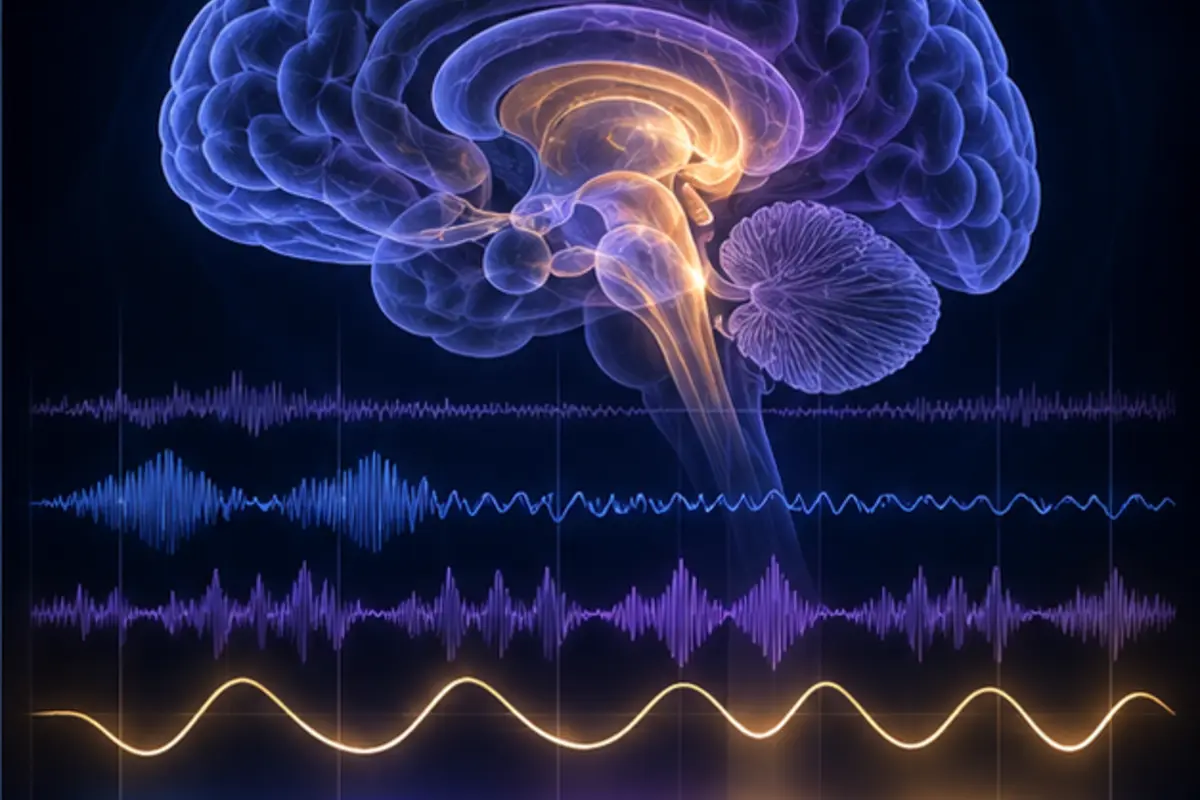
Researchers measured EEG stages and 24-hour sleep patterns.
WHAT THE RESEARCH SAYS
Results varied across timing, population and protocol, with no robust modern efficacy programme.
Evidence so farMixed human evidence
Stress-response biology
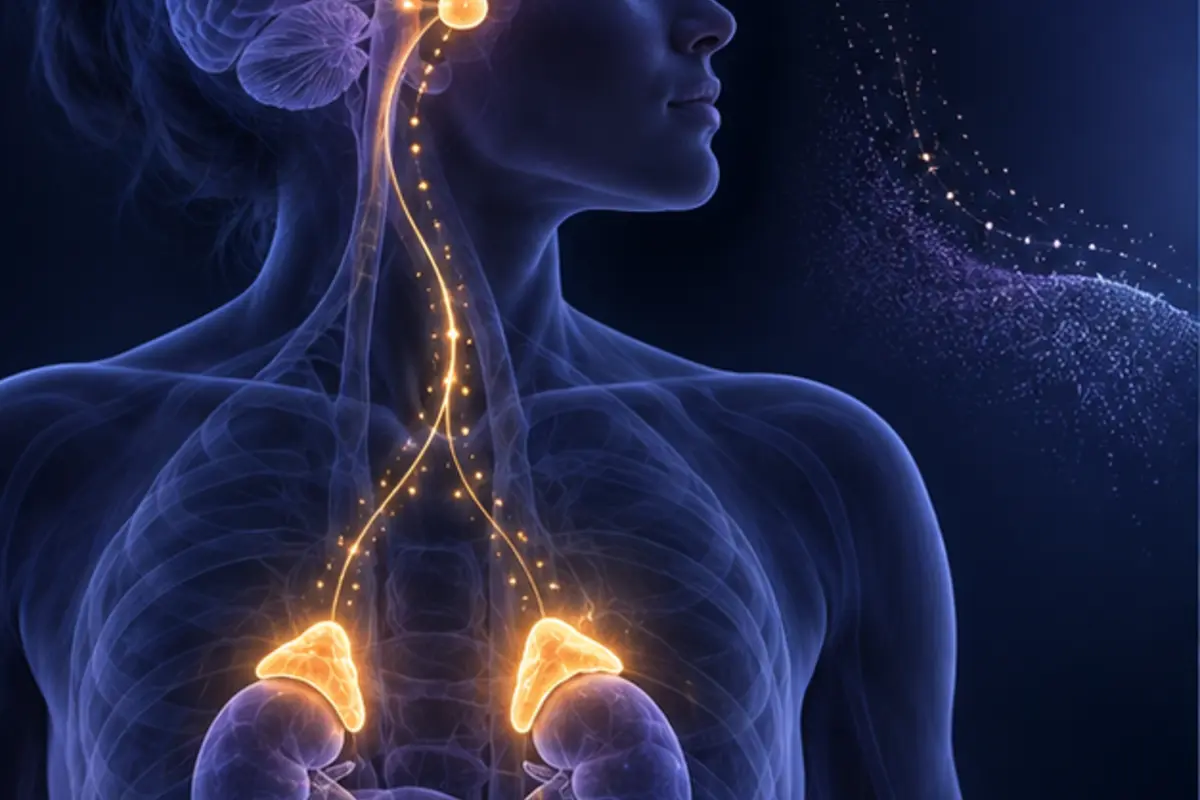
DSIP has also been studied beyond sleep in neuroendocrine and stress models.
WHAT THE RESEARCH SAYS
Most stress-protection findings are experimental and do not establish a clinical benefit.
Evidence so farPreclinical evidence
Daytime recovery
Users hope that better sleep will improve daytime energy and wellbeing.
WHAT THE RESEARCH SAYS
No strong trial evidence shows durable improvements in daytime function from DSIP treatment.
Evidence so farUnproven clinical benefit
Interest first. Evidence next.We start with why people are talking about DSIP, then show what the research actually supports so you can see the full picture.
HOW TO READ THE RESEARCH STORY
An evocative sleep name with an unresolved clinical signal
DSIP was tested in people, but the studies are small, old and inconsistent. Modern bedtime protocols therefore sit well beyond the monitored intravenous sleep-lab evidence.
9 AA
01Historic peptide
Nine-amino-acid sleep research candidate
→
02Sleep laboratory
EEG, latency and sleep-efficiency measures
→
03Weak signal
Small and variable human findings
→
04Modern gap
No contemporary confirmatory treatment programme
WHAT RESEARCH IS EXPLORING
Sleep-laboratory observations that still need a modern test
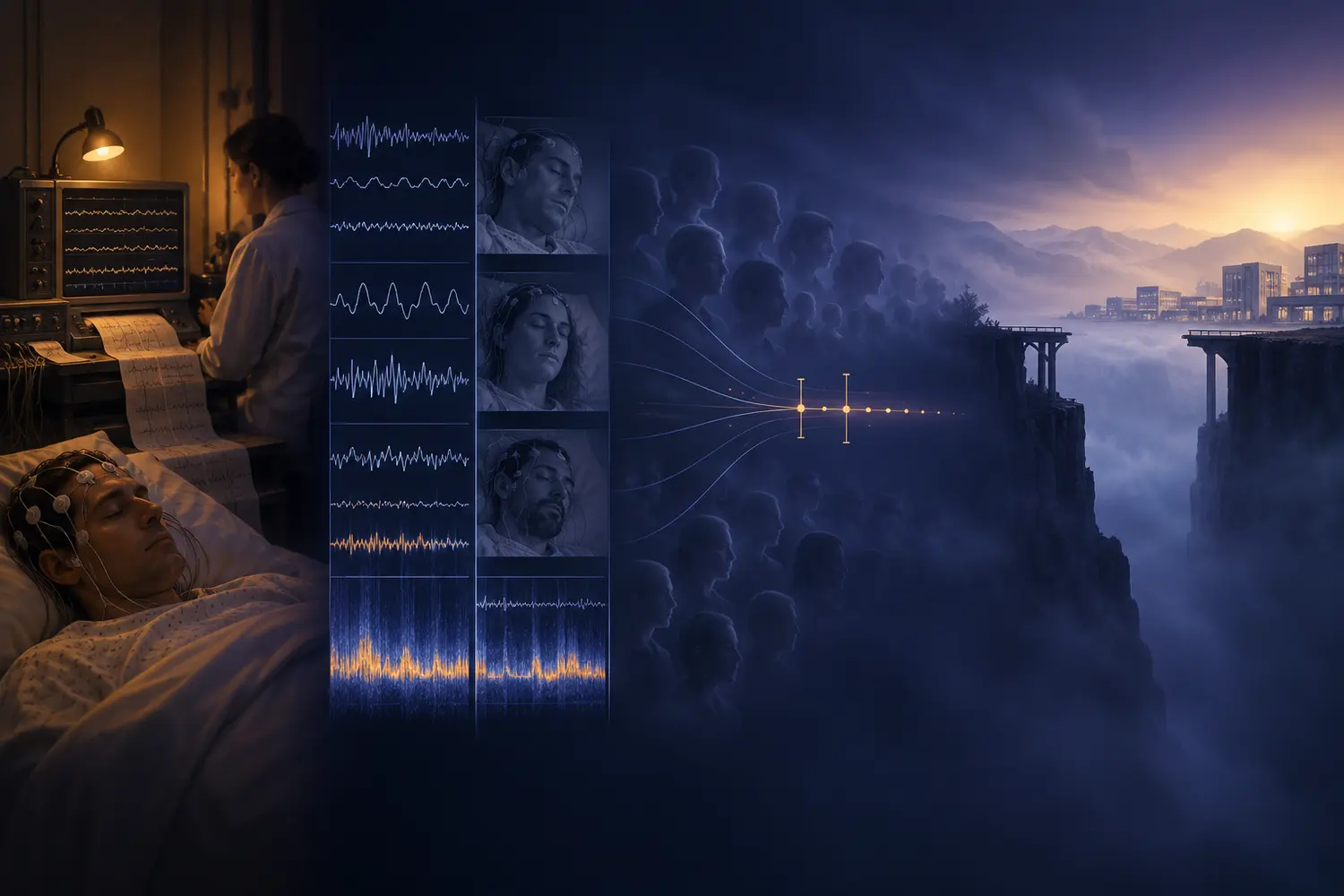
DSIP has direct human sleep research, but its memorable name is more definitive than the results. Small monitored studies found variable changes in latency, efficiency and sleep structure without creating a reliable insomnia treatment.
01
Sleep continuity
Older studies examined latency, awakenings and sleep efficiency rather than simply asking whether DSIP was sedating.
02
Architecture
EEG-stage and 24-hour sleep research produced timing- and protocol-dependent findings.
03
Human signal
The 1992 double-blind study suggested weak benefit in 16 people and explicitly cautioned about incidental effects.
04
Modern boundary
Contemporary intranasal or subcutaneous use has no confirmatory dose-finding or efficacy programme.
RESEARCH LANDSCAPESleep laboratory · EEG · unresolved translation
InsomniaSleep architectureNeuroendocrine biologyModern trial gap
Studies & trials
Studies & trials
Original publication · PubMed · trial registry where available
Several small human sleep studies exist, mainly from the 1980s and early 1990s.
✓
Clinical efficacyEarly
1/5 evidence depth
Results are inconsistent and have not established DSIP as an insomnia treatment.
◇
Safety evidenceEarly
1/5 evidence depth
Short studies provide limited tolerability information; long-term safety is undefined.
⌁
Preclinical evidenceDeveloping
3/5 evidence depth
Animal and neuroendocrine studies support multiple possible actions but no settled receptor mechanism.
HOW TO READ THESE SCORESDeveloping preclinical evidence · limited human evidence
These are editorial evidence-depth ratings on a 1–5 scale, not a statistical result or a single scientific formula. They summarise how much relevant evidence is present in each separate category and how mature that evidence is.
Human evidenceHow much direct research in people is available and how developed it is.
Clinical efficacyWhether human studies demonstrate meaningful outcomes for the claims being discussed.
Safety evidenceHow much human safety, tolerability and longer-term follow-up information is available.
Preclinical evidenceThe depth of laboratory and animal research supporting biological plausibility.
Multiple neuroendocrine ideas; no settled receptor story
Main gapModern trials
Route, dose-response, daytime outcomes and long-term safety
Keep route, study setting and outcome together
A measured biological response can be valuable evidence without establishing a self-administered protocol or a durable treatment benefit.
From promising signals to human evidencePreclinical research can reveal promising biological signals. Human studies show how far those signals have translated into real-world outcomes.
What people are exploring
PEOPLE & EXPERIENCE
Why people are exploring DSIP
Sleep depth, fewer awakenings and recovery—mapped against small historic sleep-laboratory studies and a major modern-validation gap.
Community goals · historic human data · modern trial gap
Why this matters
DSIP attracts people who want deeper sleep, fewer awakenings and better recovery. Its name and anecdotes are more convincing than the small, inconsistent clinical record.
Experiences can reveal recurring goals, perceived changes and practical questions that formal studies may not yet address. They can suggest what deserves investigation, but cannot isolate the effect of one compound from rehabilitation, time or other changes.
+
⌁WHAT RESEARCH ADDSScientific context
Human and preclinical research helps test whether an idea is biologically plausible, whether it appears in people and how confidently the result can be separated from chance, bias or other parts of recovery.
01Frequently discussed
Frequently discussedPositive interest with important uncertainty
Deeper or more restorative sleep
Users often describe vivid changes in perceived sleep depth.
HUMAN EVIDENCE
Small sleep-lab studies reported variable and sometimes delayed effects.
The community pattern is recognisable but not clinically validated.
◇
Experience can start the question. Research has to test it.
Community reports can surface patterns worth exploring. Controlled human research is what tests whether those patterns are reliable, clinically meaningful and attributable toDSIP, while the available studies show how far that question has already been answered.
Dose & duration
DOSE & DURATION
See the numbers in their proper context
Compare published study protocols with the patterns people discuss in the community. The two are intentionally kept separate so an anecdotal routine is never mistaken for clinical guidance.
Research protocols · community patterns · calculator tools
Research dose ≠ recommendation. A dose used in a study describes that study only and does not establish an appropriate dose for an individual outside the research setting.
ONE ANECDOTAL COMMUNITY EXAMPLE
A short bedtime pattern unlike the historic IV studies
This is a recurring modern community description. The published insomnia study used 25 nmol/kg intravenously in the afternoon under laboratory monitoring.
ANECDOTAL · UNVALIDATED
1Nights 1–3
100 mcg near bedtime
Anecdotal starting amount
2Nights 4–7
100–200 mcg
Optional community-described step-up
3Nights 8–14
Up to 300 mcg
Upper end of recurring descriptions
4After trial
Stop & review
No validated maintenance interval
What people commonly discuss100–300 mcg near bedtime for about 10–14 nights, with intermittent rather than continuous use also described.
What remains unvalidatedNo modern dose-finding trial validates these amounts, bedtime timing, nasal/subcutaneous equivalence or a cycling schedule.
◎
ROUTE & DELIVERYHistoric intravenous exposure is not a modern route conversion
The small 1992 study administered 25 nmol/kg IV before three laboratory nights. Nasal and subcutaneous absorption have not been mapped against that protocol.
PROFESSIONAL SOURCE CONTEXT
The source shows what has actually been studied. It does not validate the community example above or turn it into guidance.
A small historic research protocol; not a validated clinical or community dosing schedule.
↗
HOW TO READ THE STEP-UPThe start and target come from the published protocol.
The visual shows the opening amount, target amount and total study window. It does not invent intermediate steps: the linked paper or authorised product information remains the source for the complete escalation schedule.
COMMUNITY DISCUSSION
What people commonly discuss
Anecdotal / unvalidated · historic IV evidence differs
STARTING APPROACHES
Community descriptions often begin around 100 mcg near bedtime; 200–300 mcg is also discussed. This is not derived from a validated modern human protocol.
DURATION / CYCLES
A brief 10–14-night trial window is commonly described, sometimes with intermittent use rather than nightly continuation.
MAINTENANCE DISCUSSION
No validated step-up, continuous-use, tolerance-management or break schedule exists.
Community patterns are anecdotal and unvalidated unless a linked human study independently supports the same approach.
Often combined with
OFTEN COMBINED WITH
Why people explore pairings with DSIP
See the thinking behind community-named stacks, the different role each component is proposed to play, and how much of that idea has actually been tested as a combination.
Community rationale · component roles · evidence boundary
Potential first, evidence in context. Pairings are usually explored because their research stories appear complementary. That makes them interesting to study, but does not yet prove extra benefit or safety.
CURRENT COMPOUNDDSIP
→
OFTEN EXPLORED WITHDSIP + Epitalon
DSIP + Epitalon
→
OFTEN EXPLORED WITHDSIP + sleep routine
DSIP + Behavioural sleep programme
→
OFTEN EXPLORED WITHDSIP + Selank
DSIP + Selank
Combination-specific human research is the strongest evidence for what a pairing adds. Evidence for either ingredient alone should not be silently transferred to the combination.
DDSIP IS USUALLY DISCUSSED AROUNDSleep continuity, architecture and neuroendocrine uncertainty
Historic human studies are small and inconsistent; modern bedtime use lacks a validated route or schedule.
+
PTHE PAIRED APPROACH MAY ADDCircadian peptide narratives or evidence-based sleep treatment
Epitalon is discussed around circadian biology, while CBT-I and sleep-disorder care have separate established roles.
DSIP is not supported only by animal work; objective sleep measures were collected in small monitored cohorts.
02THE IMPORTANT BOUNDARYThe name overstates the reliability
Findings were weak or inconsistent and did not establish a dependable sedative or insomnia treatment.
03WHAT REMAINS UNKNOWNModern-route and long-term safety
Nasal and subcutaneous exposure, endocrine effects, interactions and repeated-course safety are poorly characterised.
What the current evidence saysOlder intravenous studies cannot establish the safety of current intranasal or subcutaneous products. Long-term endocrine, neurological, interaction and product-quality risks are not adequately characterised.
01 · OBSERVEDPublished safety findings
The summary above reflects the human or preclinical evidence currently represented on this profile.
02 · UNCERTAINGaps still matter
Limited follow-up, small studies or absent controlled trials can leave uncommon and longer-term risks unresolved.
03 · CONTEXTProduct and regulatory status
Route, product identity, quality and regulatory status can materially change the safety context; see the linked status sources below.